Open any content calendar and the pattern repeats itself: one vertical video, exported three times, uploaded everywhere. Efficient? Yes. Effective? Increasingly less so.
By 2026, Reels, TikTok, and YouTube Shorts have grown into distinct worlds, each with its own creative style, audience habits, and ways of measuring success.
Brands getting the most out of vertical video in 2026 treat short-form as three coordinated bets rather than one channel with three uploads.
Instagram and Facebook Reels
Reels is the entry point for most brands running paid social ads in vertical video, and the reach numbers explain why. Pew Research puts Facebook at 71 percent of US adults and Instagram at 50 percent, with Reels surfacing across both apps. Instagram skews younger, reaching 80 percent of adults under 30, while Facebook extends that same campaign into older demographics. Few paid placements cover that range in a single format.
For paid social advertisers, Reels sits inside Meta’s broader commerce environment. Shoppable posts and in-app checkout shorten the path from ad to purchase more than on any other short-form platform, giving Reels a measurable advantage for consumer goods, beauty, fashion, and food brands with direct conversion goals.
Creative expectations on Reels reward variety. The format is full-screen, sound-on, and native to a feed where audiences move fast. Paid campaigns that bring multiple hooks, openers, and formats give the placement more to work with and tend to see stronger performance across the campaign lifecycle.
Reels fit brands that want a broad demographic reach, a direct path to purchase, and a paid social environment where creative variety compounds over time.
TikTok
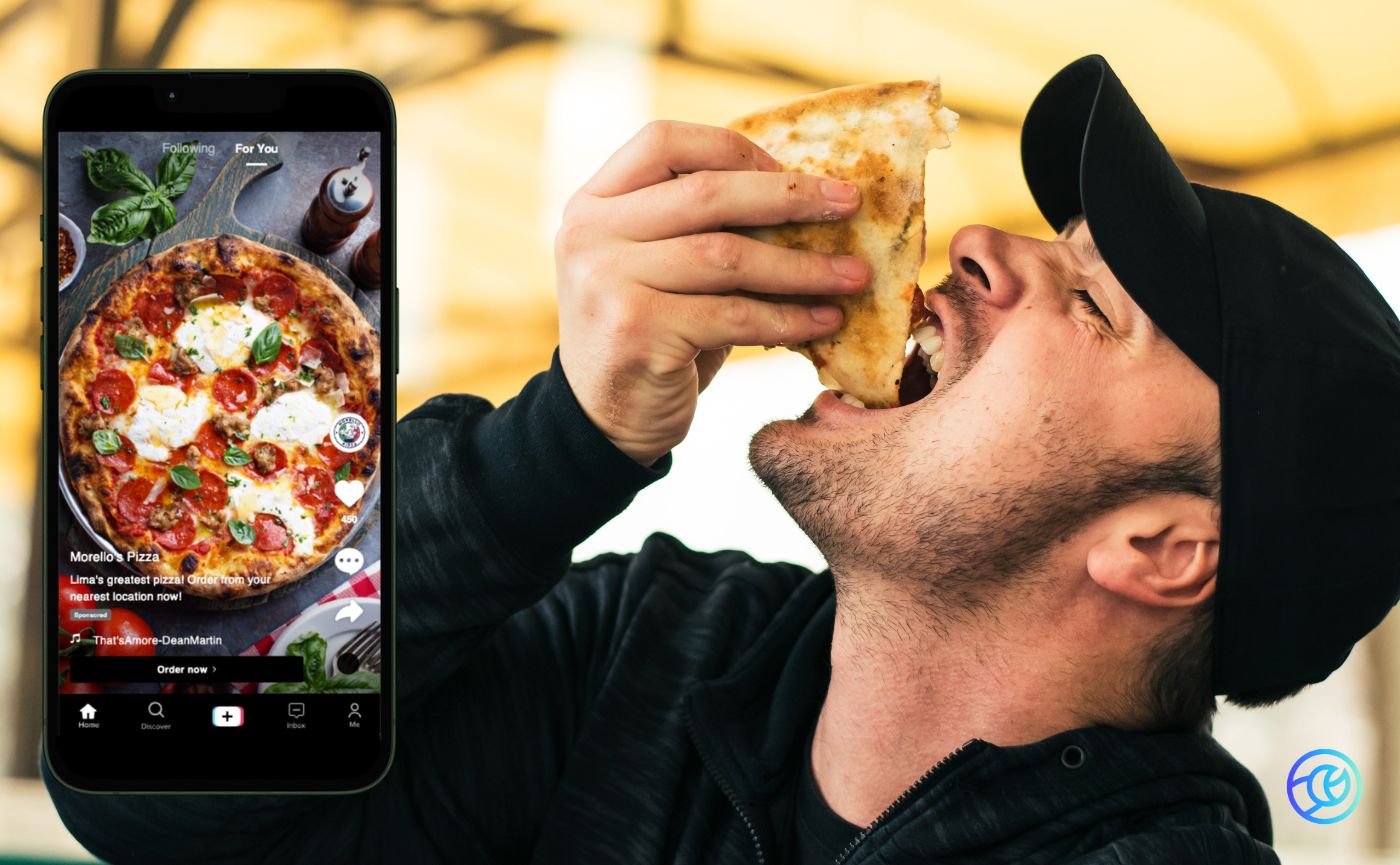
TikTok runs In-Feed Ads as native placements on the For You page. Because the ad sits in the same feed as organic content, it has to earn attention before it asks for anything, a higher bar than a placement announcing itself as an ad from the first frame.
The feed itself gained a new surface in 2026. In February, TikTok began rolling out a Local Feed across the US, a home screen tab surfacing nearby restaurants, events, shopping, and posts from local businesses and creators. TikTok has positioned it as a discovery experience, which is worth watching on its own terms: a platform putting proximity into the home screen is a platform where local relevance becomes native.
Native is the operative word for the creative as well, and it shows up in the numbers. Campaigns running more unique creatives consistently outperform low-variety ones.
Volume like that is hard for a single local business to produce, and access is the other half of the problem. TikTok built the Channel Sales Partner Program to route automated campaign creation, optimization, and cross-channel reporting through direct integrations, delivered by platforms that already serve local businesses. Tiger Pistol is now a badged TikTok Channel Sales Partner, and Tiger Pistol’s Creative Automation Studio is where it answers the volume side.
YouTube Shorts
If Reels’ edge is creative testing and TikTok’s edge is creative volume, YouTube Shorts’ edge is infrastructure. The platform pairs the largest daily view base with Google’s full measurement and bidding stack. YouTube reports that Shorts now averages 200 billion daily views, and YouTube as a whole reaches 84% of US adults, the broadest of any platform Pew tracks.
The strategic difference is Google Ads integration. Shorts inventory runs alongside Search, Display, YouTube long-form, and Performance Max within a single buying environment, with audience signals and conversion data flowing across the stack. Even calls to action adapt dynamically based on the campaign objective, reinforcing Shorts’ role within Google’s larger performance system.
Production economics also works differently here. A 60-second cut from existing long-form YouTube content qualifies as a Short and inherits Google’s full audience and conversion infrastructure, which gives Shorts a production advantage that the other two platforms cannot match.
Shorts fit brands that prioritize scale, Google measurement, or repurposing long-form video into vertical formats.
Choosing the Mix
Three different edges raise an obvious question: where should the budget actually go? The right mix follows the audience and the conversion goal rather than the platform’s popularity. Reels for cross-age reach and Meta commerce. TikTok for local discovery and creative volume, backed this year by a dedicated Local Feed. Shorts for scale and Google’s measurement stack.
Brands that try to run one master file across all three usually win on none of them. The practical move is to lead production on the platform closest to the brand’s audience and conversion goal, then build platform-aware variants for the other two rather than identical exports.
That sequencing raises the production question every brand running short-form eventually faces. The next article examines why vertical video production breaks at scale and how the math gets workable again.
The era of “post everywhere” is ending. Vertical video is best utilized when brands understand the feed before they hit publish.