
Why Are You Not Looking at Local Social Advertising to Shorten the Customer Journey?
Business Insider recently published an article explaining the recent ad price drops at Amazon, Google, Meta, and others as the result of, “moving budgets from big, brand-oriented campaigns that aim to increase awareness to performance campaigns that more directly drive sales.” This shift reflects a larger trend to shorten the customer journey, especially as budgets tighten.
While shifting the goal of the campaign is a great first step, we, at Tiger Pistol, would offer a second tactic to shortening the customer journey and increasing ROI – localization.
Guiding customers to the closest point of conversion has proven over and over to shorten the sales cycle and increase conversions.
One additional advantage of local ads, if you are using social advertising, is the lower CPM cost. At Tiger Pistol, we publish over 40,000 local social advertising campaigns monthly.
Below we have compared our cost per thousand impressions to the averages listed from the Business insider data during that same period.
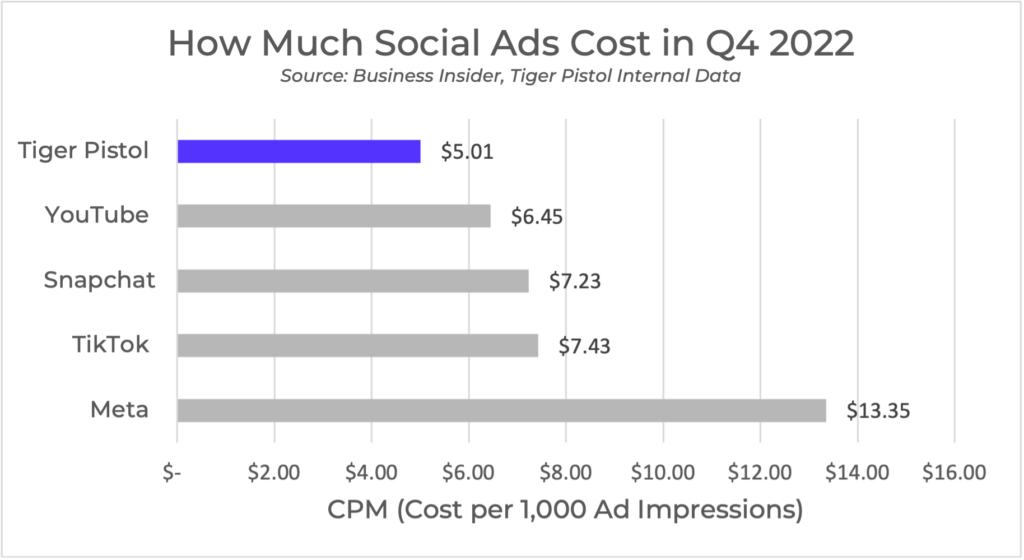
Based on these numbers, advertisers would have published 3x the impressions versus Snapchat and TikTok and 5x the impressions of YouTube. All by simply launching locally targeted advertising through Meta.
Not to mention, messaging would adjust from this:
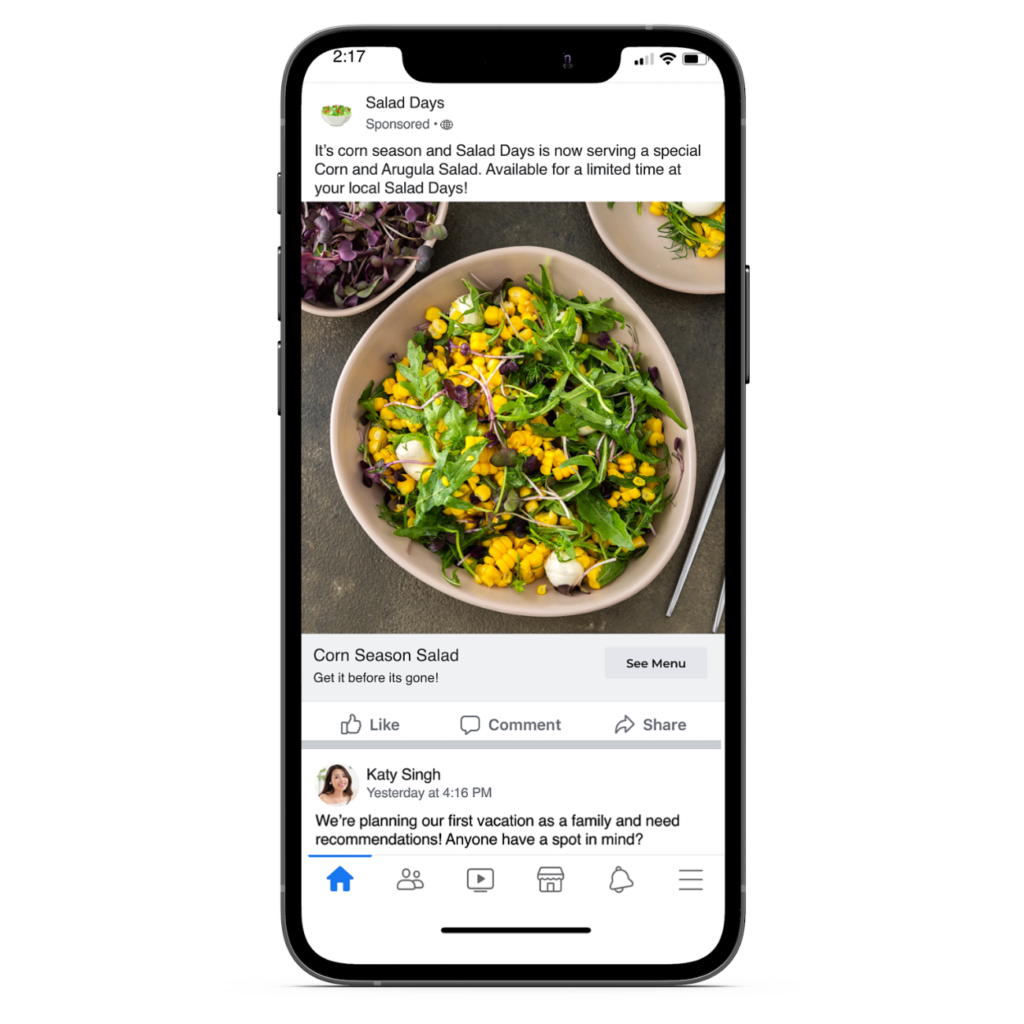
to this:
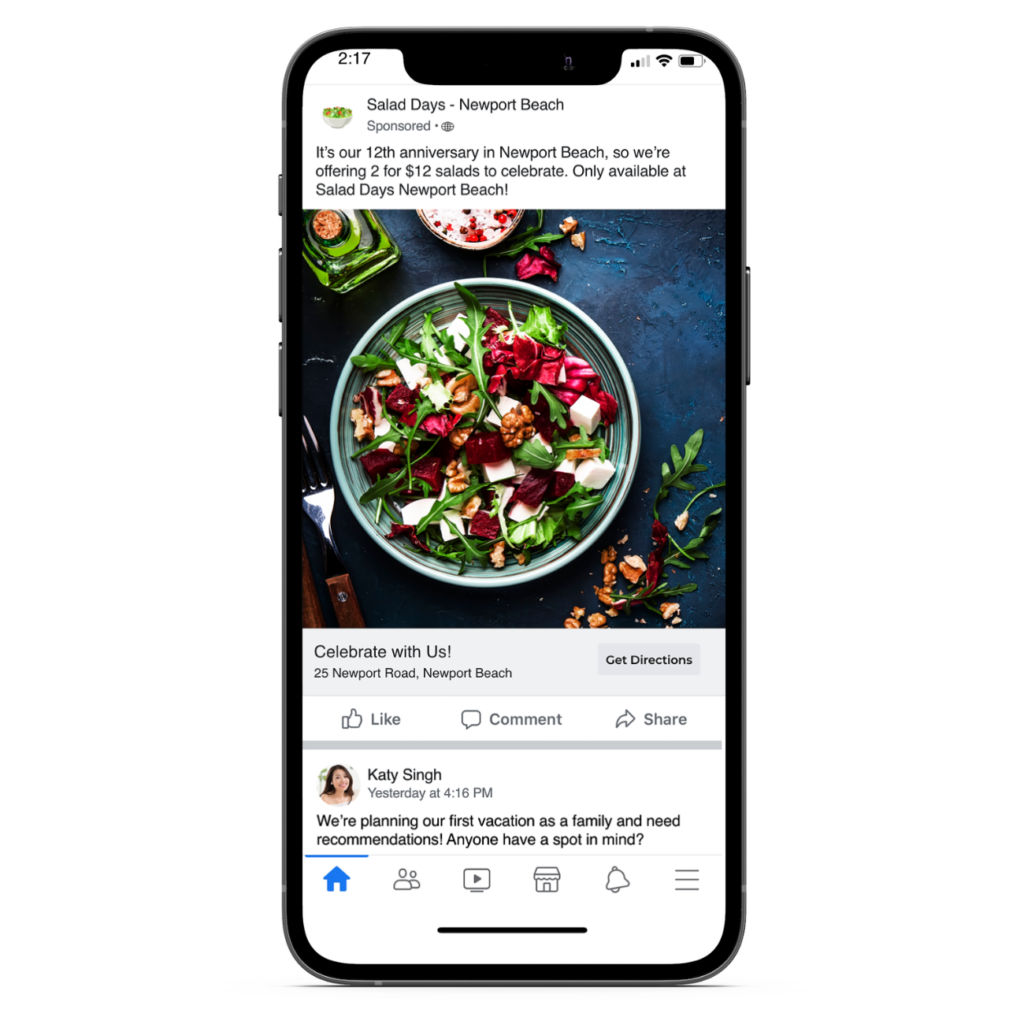
Rethinking Your National-to-Local Approach
For many marketers, converting a single, national, awareness-focused campaign to hundreds of location-level campaigns seems daunting. Historically, a shift like this required additional personnel and processes that would encumber any savings on the CPM.
There is good news on that front. Technologies, such as Tiger Pistol, provide a method of localized advertising that eliminates the need for additional resources and allows for managing a scaled strategy with little additional effort.
Why Go Local Now?
It goes without saying that local ads are more relevant to the consumer, but many marketers still miss that localization drives down the cost of social advertising by using incentives that are already in place.
75% of marketers say their budgets will be under “heavy scrutiny” in 2023. It is fair to say that every dollar should have a purpose. In fact, even if you have not seen your budget decrease this year, the conversation itself has changed, and the focus on conversions has tightened.
Moving advertising dollars further down the funnel while maintaining a connection to the brand’s identity has always led to a shorter customer journey and faster conversions.
Perhaps 2023 can be the year you connect why they buy with where they buy.
Related Posts
How Local Advertising Turns Loyalty Programs into Participation Engines for QSR Brands
Loyalty programs are everywhere, but loyalty itself is hard to earn. 81% of Americans are enrolled in QSR loyalty programs, yet only one-third engage weekly. The challenge isn’t sign-ups. It’s participation. For QSR marketers, the key to activation lies in a familiar place: local advertising. Why Local Advertising Drives Loyalty Engagement Local campaigns

Empowering Franchisee Activation: How to Outshine Competitors in Local Marketing
Your franchisees are out there running their own shows, trying to make a mark in your local markets. But guess what? Your competitors across the street are eyeing the same customers and vying for their attention. In this cutthroat landscape, activating franchisees in local marketing initiatives is vital. It’s all about aligning local efforts with [&hellip

Digital Strategies That Drive Local Action for Home Services Franchises
Homeowners aren’t browsing digital platforms passively. They’re planning projects, checking reviews, and pricing out upgrades, and they’re doing it on the same channels where they scroll for news, recipes, and entertainment. Seventy percent of homeowners now prefer to book services online. Forty-five percent discover providers through social media. The bu
How Brick and Mortar Businesses Can Leverage Amazon Sponsored Display Ads
Local business owners face the constant challenge of attracting foot traffic and driving website visits while juggling the daily demands of running their stores. Amazon Sponsored Display Ads offer a straightforward yet powerful solution to address this need. Now accessible to a broad range of small and medium-sized businesses, these ads provide new opportunitie