How your beverage brand localizes its social ads hinges on your target location’s regulatory framework.
For instance, in the United States, alcohol makers, distributors, and sellers must operate separately, and brands cannot advertise directly for retailers or pay for their advertising. Conversely, in many European and South American countries, alcohol brands and trade partners can collaborate on social ads, though they may still have age restrictions for their target audience.
At a high level, beverage brands can localize and personalize social ads in two ways.
- Inside the USA: Geo-targeted ads launched from the brand’s or product’s Facebook Business Page
- Outside the USA: Local social ads launched from the trade partners’ Facebook Business Pages
Let’s examine how this strategy could work to tie sporting event sponsorships to local bars and restaurants.
Alcohol Advertising Inside the USA
To stay compliant, brands can set up a centralized website that lists all partnering on-premise establishments. This website would tailor its displayed list of venues based on the user’s geographical location. Armed with this centralized platform, brands can launch hyper-localized social ad campaigns focused on specific markets where key sporting events are taking place.
When consumers click on these highly targeted ads, they are redirected to the list of nearby venues where they can enjoy the promoted beverage and sporting event. This strategy minimizes obstacles for the consumer, speeding up their journey from ad to purchase. At the same time, it ensures that all participating retailers have a fair shot at attracting business.
For example, BuzzBallz aimed to create local advertising campaigns that followed U.S. 3-tier alcohol advertising rules while motivating shoppers to visit nearby retail partners
Circumnavigating the 3-Tier Rule
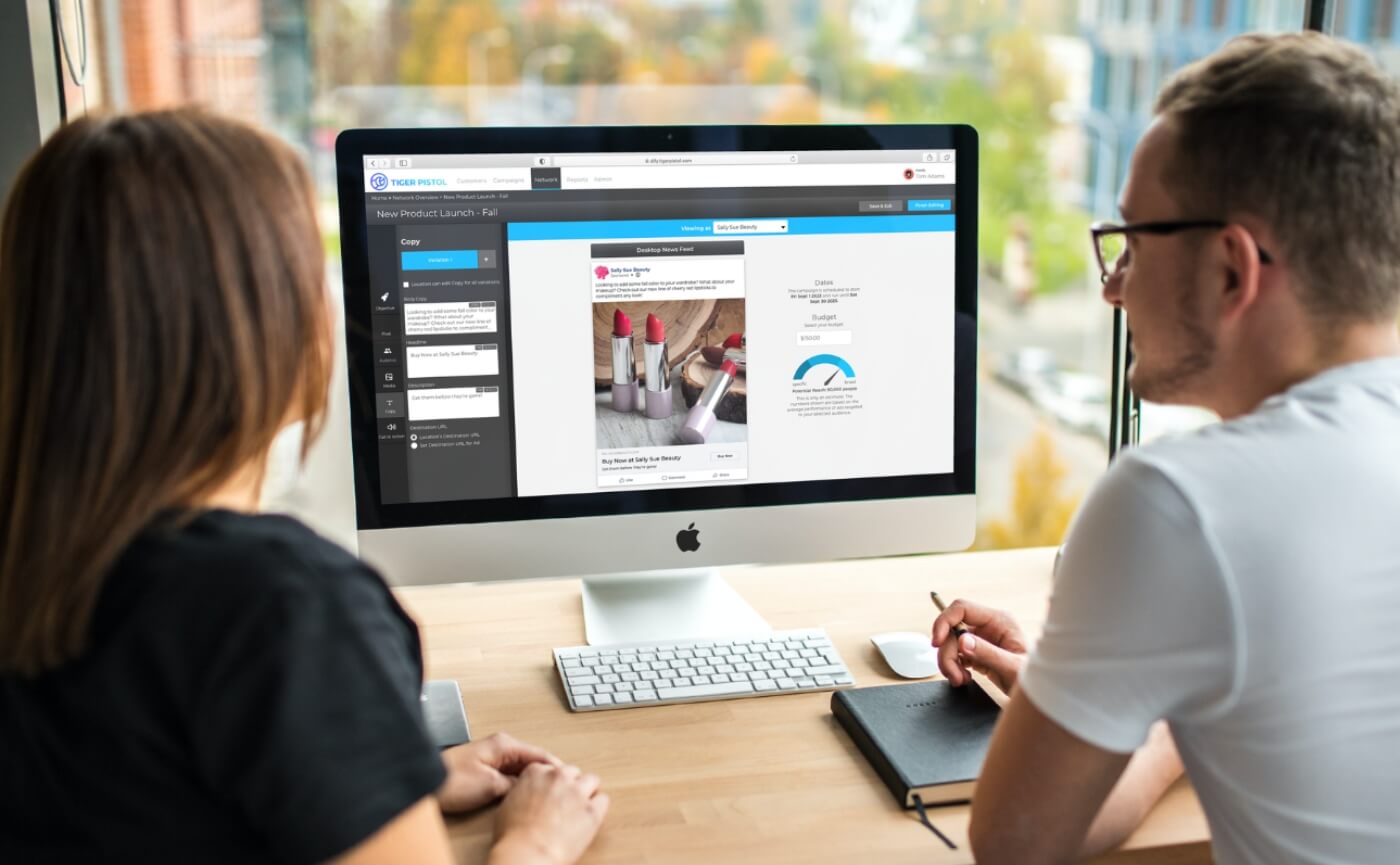
BuzzBallz deployed proximity-targeted Facebook campaigns through Tiger Pistol’s platform. These campaigns directed consumers to a store locator page that was dynamically localized to show all nearby retailers where BuzzBallz products could be purchased. The brand leveraged Tiger Pistol’s automatic localization tools that enabled BuzzBallz to customize ad messages to match local preferences, like partying at the quad, drinking slope-side cocktails, or sipping the perfect beach drink.
This ability to use adaptive messaging allowed the brand to dynamically speak to consumers while accounting for variable retailer availability by state. BuzzBalls demonstrated that it could drive better performance by focusing messaging on customers’ attributes.The results speak for themselves:
- 50% lower cost of advertising than benchmark
- 80% of clicks resulted in store locator searches
- 40% increase in click-through-rate compared to national campaigns
Alcohol Advertising Outside the USA
In nations where the three-tier system doesn’t apply, brands have greater freedom to work closely with their trade partners on localized advertising. Utilizing platforms like Tiger Pistol, brands can feature their top-notch creative content in ads automatically tailored to the local market. These ads are then published from their trade partner’s Facebook Business Page, ensuring direct benefit to the partner. Here’s how this coordinated strategy benefits both the brand and its trade partner.
Companies like AB InBev have already capitalized on this symbiotic relationship between sports fans and local establishments. During the 2021 COPA America Tournament, the beverage giant successfully activated fans by highlighting each matchup in hyper-targeted Facebook and Instagram ads. Tiger Pistol’s platform enabled the ad creative to be changed quickly across hundreds of campaigns, resulting in wins for both the brand and its trade partners:
- 75% lower cost of advertising than national campaigns
- 500+ participating pubs and restaurants
- 2M+ fans reached
These winning strategies maximize the impact of sponsorship dollars and increase reach, foster trade relationships, and establish a strong local brand identity. Brands who seize this opportunity will be ahead of the competition, unlocking a more prosperous and enduring future in the highly competitive beverage industry. By embracing local social advertising, beverage brands can bring the excitement of the game directly to the local establishment. This will connect brackets to bars, reaping the rewards of community ties and increased revenue.