
How the Right AdTech Drives Revenue Through Channel Partners
Increasing revenue through channel partners has (finally) become a focus for brands. Many have spent the past two years focused on digital transformation, eCommerce extensions, and branded retail experiences. As they look for new revenue, channel partners have come into focus.
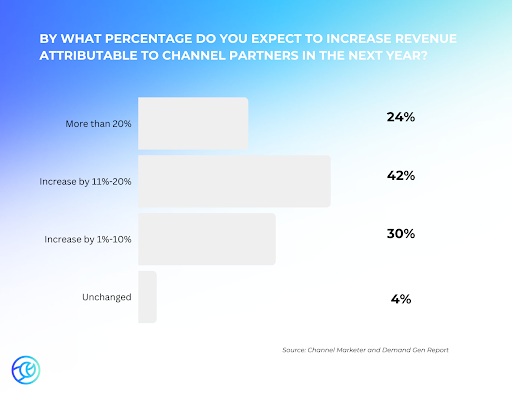
In April, Channel Marketer and Demand Gen released a report elaborating on the results of their Channel/Partner Marketing Benchmark Survey, which they released earlier this year. The results found that “66% of B2B leaders anticipate more than 11% of gain in revenue attributable to channel partners.”
To focus on improving this revenue stream, companies are focused on 3 key areas:
Expanding Partner Ecosystems
-
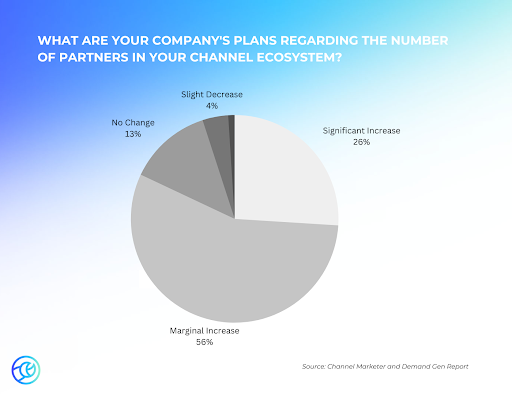
- 82% of the respondents said they will be adding to their roster of partners
Improving the Partner Experience with Technology and Support
-
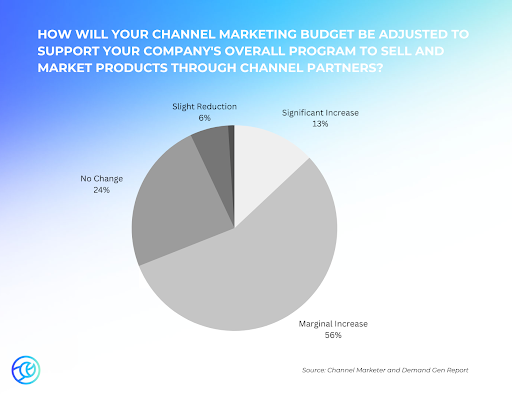
- Nearly 70% of those surveyed planned to boost spending on channel marketing support
Providing Partners with the Branded Marketing Assets and Materials They Need
-
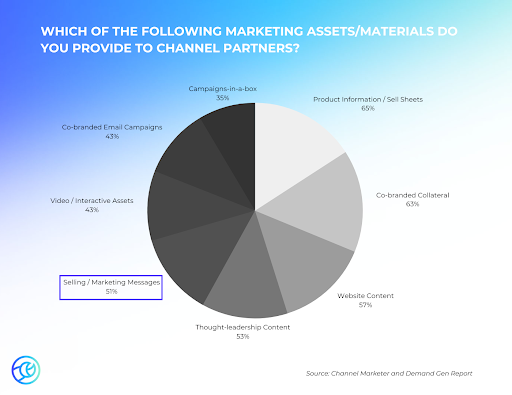
- 51% of those surveyed are offering social selling/marketing messages to partners
As brands expand their partner ecosystem, it’s crucial they have the right technology and social programs in place to amplify brand messages through their partners. Brands must upgrade to tools that offer ease of use, guidance to non-marketers, and scale to meet diverse organizational structures.
Flexibility is critical. When working with brands that drive revenue through indirect channels or partner networks, providing solutions that can adapt or accommodate multi-location management, and approval workflows, while balancing brand compliance with localization at scale is vital to ensure partner adoption.
As brands look to better leverage their local partners, they should evaluate their adtech along the following parameters:
-
- Is onboarding of local partners and locations quick and easy?
- Does the technology support different business models?
- Does it offer an accessible library of brand-compliant assets?
- Does it offer custom controls that allow for personalization and localization in campaigns?
- Can partners or agencies submit their own campaigns or changes through simple workflows with review and approval checkpoints?
- Can everyone involved see what they are achieving with reporting dashboards for both brand-level and partner-level insights?
Being relevant for local partners means activation and advocacy. Local partners rank social as a top advertising priority and as one of the most effective marketing tactics in their advertising toolbox. Yet, many struggle with content development, planning, and execution due to a lack of creative resources. This is the perfect opportunity for brands to demonstrate their dedication to partner success (while also extending local reach through social channels). It’s a win-win.
Related Posts

How to Build a Future-Ready Local Advertising Program for QSR Brands
What worked last quarter may not work next quarter. Platforms evolve. Consumer expectations shift. New competitors enter with aggressive pricing, new formats, or viral content. In this environment, the most valuable asset a QSR brand can build isn’t just a strong campaign. It’s a scalable, adaptable marketing system. Why Local Advertising Infrastructure Mat

Deploying Micro Campaigns at Scale to Address Different Customer Segments
For brands with multiple customer segments, matching marketing strategy to your market can be complex. It doesn’t have to be. Collaboration is the key to pulling it off right. Take for example our experience with Kichler, the innovative leader in decorative light fixtures, lamps, and home accessories. Often lighting is a component of a larger room design,

Empowering Franchisee Activation: How to Outshine Competitors in Local Marketing
Your franchisees are out there running their own shows, trying to make a mark in your local markets. But guess what? Your competitors across the street are eyeing the same customers and vying for their attention. In this cutthroat landscape, activating franchisees in local marketing initiatives is vital. It’s all about aligning local efforts with [&hellip

Marketing Resellers: Want to Capture More SMB Dollars? Start with These 3 Strategic Fixes.
The numbers tell a clear story. Nearly half of small and midsize businesses (SMBs) are set to increase their digital marketing budgets in 2025 and almost all of the rest will maintain their 2024 spend. Moreover, 50% percent of SMBs say digital marketing and online advertising are among their most effective ways to acquire new […]