How AI Sets the Stage for Localized Creative at Franchise Scale
Meta’s AI is advancing quickly. Targeting becomes more automated each month, enabling campaigns to reach the right people with less human intervention. For franchises, this creates new efficiencies. Yet the real test lies elsewhere. Creative remains the fulcrum. When ads drift from the brand or fail to echo the local community, franchisees hesitate to engage, and momentum across the system slows.
The way forward is not abandoning AI but directing it with intention. Branded creative libraries combined with automated localization create a model where every ad remains true to the brand while resonating with the neighborhood it serves.
Why Franchisees Lean Toward Branded Creative
Operators join a franchise to carry the weight of a name that customers trust. They want their advertising to reflect the same visuals, colors, and signals that appear on menus, storefronts, and packaging. Alignment builds confidence. A misaligned ad feels out of place and reduces credibility for both the franchisee and the corporate brand.
Where AI-Generated Creative Misses the Mark
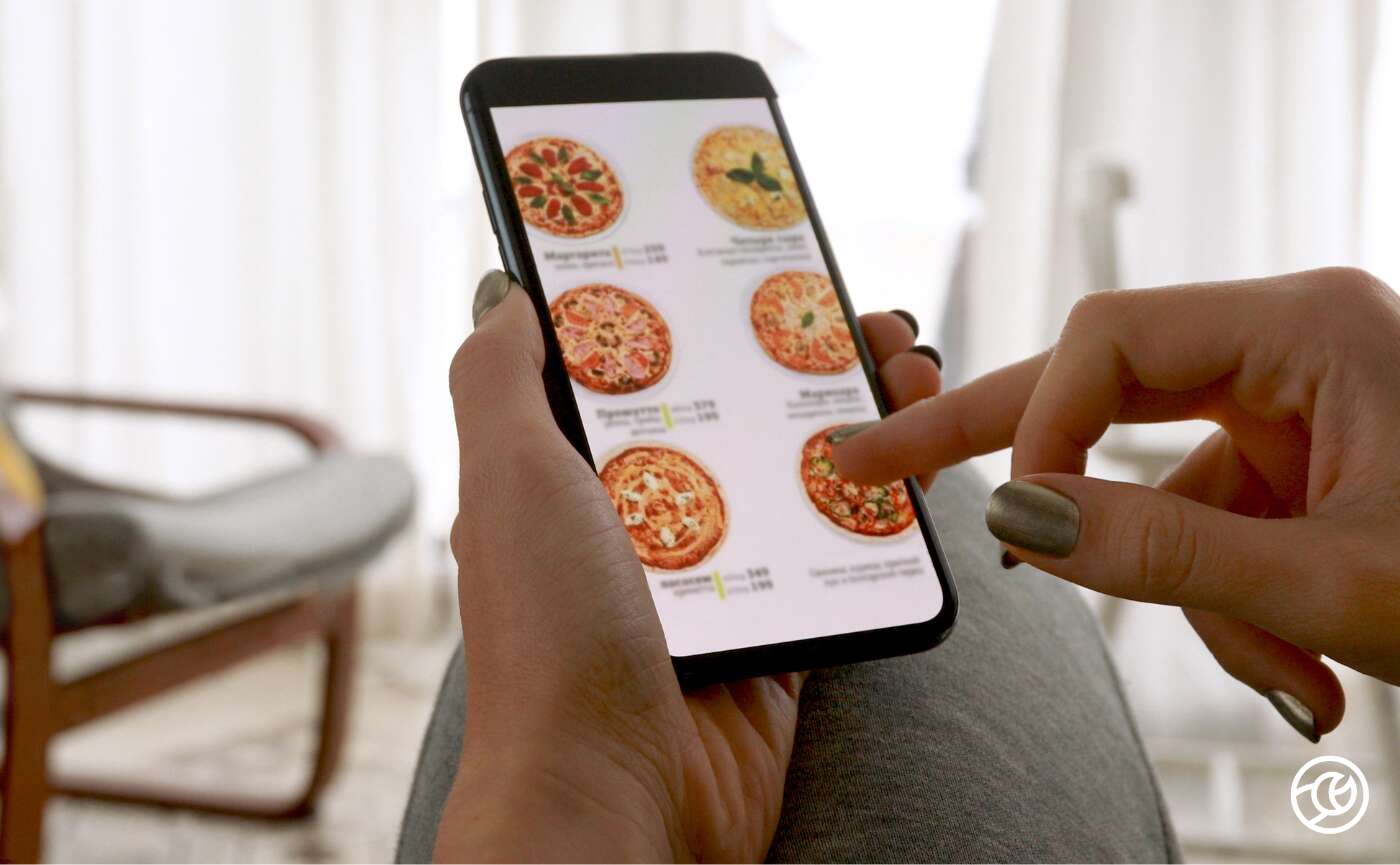
AI produces content with astonishing speed, but speed alone has no guarantee of accuracy. A pizza promotion might show an image that feels artificial. A salon campaign might generate models that bear little connection to approved imagery. Without the discipline of brand-approved creative, the result slips away from what customers expect and franchisees value.
How Automation Brings Scale Without Sacrifice
Participation grows when franchisees feel represented in campaigns. AI automation supports this by allowing offers, CTAs, and copy to adapt to the realities of each market while preserving the integrity of the brand. AI makes repetitive tasks lighter. Coupon prices, school mascots, and location details appear where they belong, not through tedious manual updates but through intelligent layering that maintains compliance.
The Tiger Pistol Point of View
Tiger Pistol channels AI, where it produces meaningful scale while anchoring creative in brand standards. Coupon variations appear instantly. Local details surface at the right time. Mascots, schools, and addresses fold into ads without losing consistency. Every campaign carries the identity of the franchise and speaks with authenticity to the community. This balance of consistency and local truth drives franchisee trust and encourages participation at scale.
Discover how Tiger Pistol can power your local advertising success.
Related Posts
Tiger Pistol Expands Advertiser Ecosystem to Include TikTok, Paving the Way for Vertical Video Social Media Advertising at Scale
Surveys among marketers planning their 2024 budgets underscore the significance of short-form video. A recent Kantar study reveals that three out of every four marketers intend to boost their online video budget. Furthermore, MarketSplash found that a significant majority of marketers (85 percent) firmly support short-form, vertical videos as the preferred cont
Meta’s Performance 5 Framework: The Impact of Simplifying Your Account Structure
Meta’s Performance 5 Framework comprises five game-changing best practices that supercharge advertisers’ performance when they leverage Meta’s ad products. In part 2 of our series on the Performance 5 Framework, we’ll take a closer look at recommendation number one: Simplify your account structure and put ad creative in one central campaign. W
INFOGRAPHIC: The Power of Vertical Video Advertising
As vertical video posts dominate social feeds, it’s evident that this trend isn’t just growing—it’s flourishing, especially on powerhouse platforms like Facebook, Instagram, and TikTok. With 90% of global advertisers set to increase their investment in this format, the advantages of adopting vertical video advertising are unmistakable. From
Maximizing Pizza Franchise Growth with Facebook, Instagram, TikTok, and Amazon Ads
While the pizza industry typically adopts a consistent marketing strategy year-over-year, recent indicators suggest notable shifts compared to the previous year. In 2024, Pizza Today key insights show social media is an important channel, with 78% of pizza operators using social media as part of their local marketing efforts, and Facebook continues to dominate